
Refresh or Rebrand?
A lot of companies wait too long to ask a simple but powerful question:
That question gets pushed down the priority list. After all, you’ve got products to launch, clients to win, people to lead. But whether you’re a healthtech pioneer, a life sciences consultancy, or an industrial innovator, your design is doing silent work every day.
And if that work is outdated, inconsistent, or confusing, it’s holding you back.
Let’s get one thing clear: a brand update isn’t about being trendy.
Time for a Change? 5 Signs Your Brand Might Be Due for a Refresh
Design isn’t just visual polish. It’s how your company shows up — to clients, patients, partners, and your own team.
Here are some signs that your brand may need attention:
- Your look feels outdated compared to peers or startups in your space
- You’ve grown or shifted direction, but your identity hasn’t caught up
- Internal teams keep creating their own versions of decks, templates, or tone
- Clients or recruits say things like “I didn’t really get what you do at first”
- You’re proud of your work — but embarrassed to share your website
🧠 Quick Check: If your logo were launched today, would you still approve it?
When You Might Want to Keep (or Carefully Evolve) What You’ve Got
Not every outdated brand needs to be torn down. Some just need a fresh coat of strategy.
A full rebrand can alienate loyal users or erase equity you’ve built over years — especially in healthcare, science, or technical industries, where familiarity breeds trust.
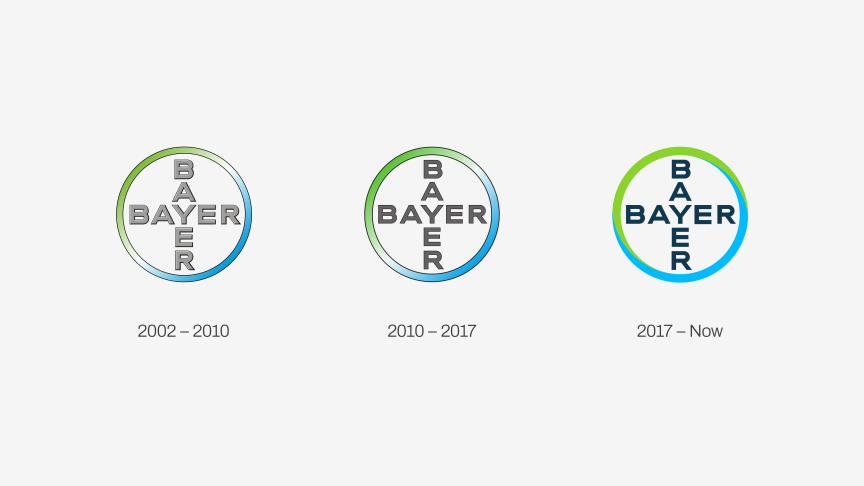
You may want to keep your identity if:
- Your core values and audience haven’t changed
- Your visual assets still feel recognizable and respected
- You’ve built strong equity and don’t want to lose it
- You’re open to modernizing, not reinventing
Think of your brand like a building. Sometimes you need a full remodel. Other times, better lighting and new furniture make all the difference.
Where to Start — Strategically
If you’re considering a refresh or rebrand, resist the urge to start with the logo.
Start with the why.
Ask yourself:
· What problem are we solving?
· Who are we trying to reach — and how do we want them to feel?
· Where are we going that we haven’t been before?
Then build from there:
· Audit your current brand: visuals, tone, materials, usability, and perception
· Interview internal and external stakeholders: ask what they associate with your brand and what’s missing
· Involve more than just marketing: include leadership, HR, even R&D — especially in science-driven orgs
· Document your findings and align on whether you need a brand evolution or a full transformation
Refresh
Update the look and messaging without changing your core identity
Rebrand
Rethink the full brand system, possibly including name, values, voice, and positioning
The Business Case: Why It’s Worth It
Good design doesn’t just look nice. It works harder.
When your brand is clear and compelling:
· Clients understand your value faster
· You close better-fit leads more efficiently
· Your internal teams align more easily
· Recruitment, retention, and reputation all benefit
This isn’t just a marketing move. It’s a growth lever.
📈 In a world of fast decisions and limited attention, how you look affects how you're understood — and how you're trusted.

Don’t Just Look Better — Communicate Better
A brand refresh isn’t about being shinier.
It’s about making sure your identity matches your impact.
Whether you're a scientific scale-up, a medtech veteran, or a B2B service provider in a complex space, your brand should feel like a confident handshake — not a confusing puzzle.
So take a look at your materials. Your decks. Your homepage.
If you saw your own brand for the first time today — would you believe it?
If not, maybe it’s time to start the conversation.